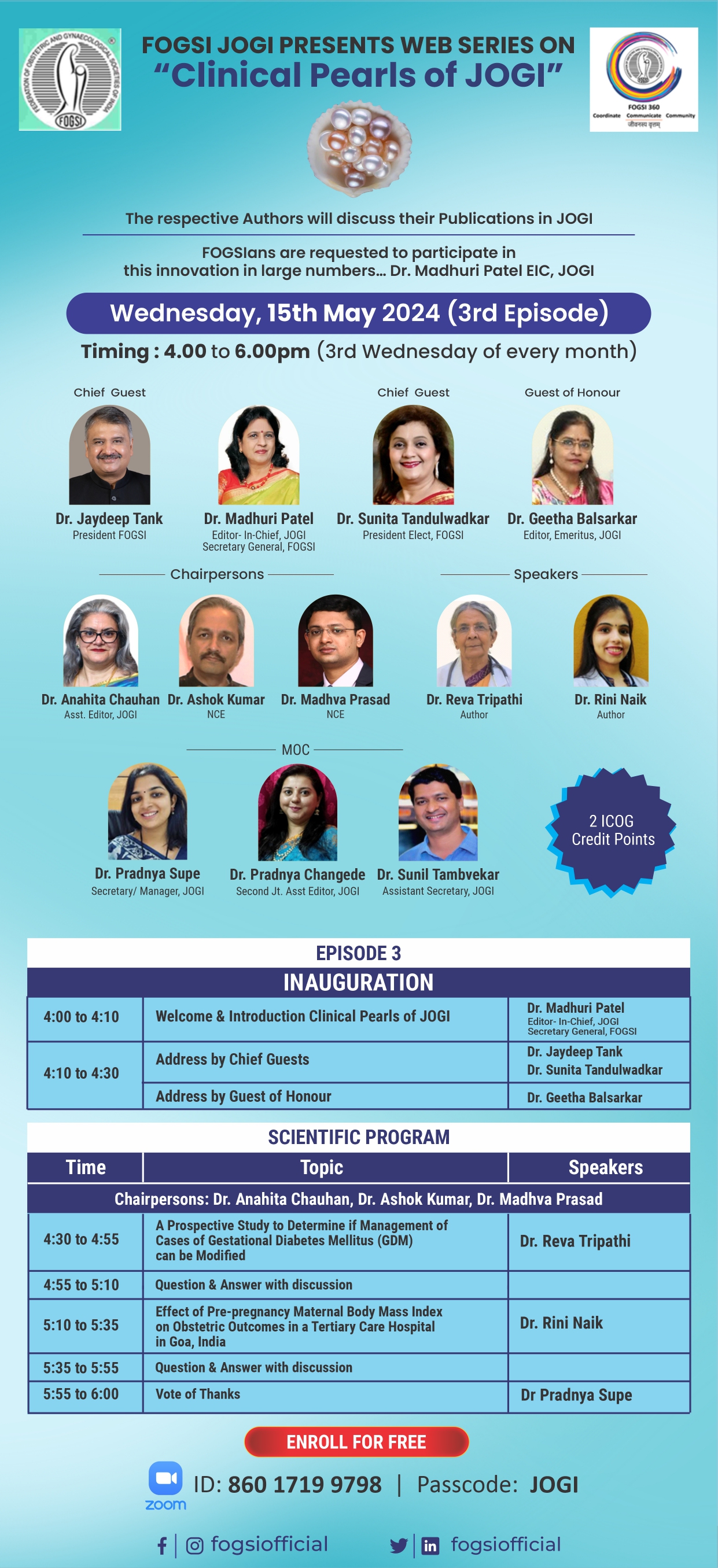
Purpose: Post-partum hemorrhage remains an important cause of significant maternal morbidity and mortality throughout theworld. The objective of this studywas to review the incidence, indications, predisposing factors, and associated complications of emergency peripartum hysterectomy.
Methods: This is a retrospective observational study done in a Tertiary Care Center, Riyadh, Saudi Arabia, between 1983 and 2006. Women who underwent emergency peripartum hysterectomy after cesarean delivery or following vaginal birth due to severe post-partum hemorrhage who did not respond to conservative treatment were included in the study. Data were abstracted from chart reviews. Descriptive analysis was carried out to summarize relevant variables. Primary outcomes included indications, risk factors, maternal morbidity, and mortality.
Results: There were 66 emergency peripartum hysterectomies among 155,857 deliveries, which yielded an incidence of 0.04 %. Prior cesarean delivery was present in 88 %of the patients; a majority of the patients were grandmultiparous, Para[6 (65 %). The incidence of hysterectomy after cesarean delivery was much higher than after vaginal delivery (0.3 vs. 0.01 %). Common indications included placenta accreta (65 %), uterine atony (27 %), and uterine rupture (8 %). The majority of the study cohort (64 %) had undergone total hysterectomy. Post-operatively, 25 patients (38 %) developed DIC, 32 (48.5 %) had febrile illnesses, and 22 (33 %) experienced injury to the urinary tract. The maternal mortality in this study was 4.5 %.
Conclusions: Hysterectomy for the control of obstetric hemorrhage is usually associated with significant mortality and morbidity. Prompt intervention to include peripartum hysterectomy may likely decrease the rate of maternal deaths and significant maternal morbidity.
Obstetric, Hysterectomy, Emergency, Risk factors, OutcomePurpose: To compare the clinical results of three techniques of hysterectomy- abdominal hysterectomy (AH), non-descent vaginal hysterectomy (NDVH), and laparoscopic- assisted vaginal hysterectomy (LAVH).
Methods: A simple prospective randomized study was performed in a tertiary care centre between June 2011 and Dec 2012, among 150 consecutive women indicated to undergo hysterectomy for benign and mobile uterine conditions. They were randomly assigned 50 each to three routes of hysterectomy; (abdominal, vaginal, and laparoscopic-assisted vaginal). Outcome measures including operating time, blood loss, rate of complications, consumption of analgesics, and length of hospital stay were assessed and compared between groups.
Results: As far as duration of operation, mean blood loss, analgesic requirement, length of hospital stay, P value was significant. Incidence of complications is least among VH group..
Conclusions: Vaginal hysterectomy is the gold standard in the era of minimal access surgery. Some of the contraindications to VH can be overcome by assistance of laparoscope and a potential abdominal hysterectomy can be converted to a vaginal procedure.
Folic acid (pteroylmonoglutamic acid) is the stable, fully oxidized form of folate which is used in food fortification and supplements. Keen interest has been generated in folic acid due to its suggested role in prevention of various disorders. Strong evidence from clinical trials indicates preventive effect of folic acid on both occurrence and recurrence of neural tube defects. It also plays a significant role in mitigating the risk of cardiovascular disorders through homocysteine regulation. In addition, the beneficial effect of folic acid in various types of cancers, neurological disorders, conditions affecting pregnancy, and other clinical conditions has been reported in literature. Various guidelines reinforce the need for women to obtain adequate amount of folic acid either through food fortification or supplements. In India, national guidelines on the proper dose of folic acid to pregnant women are not available. Given its significant beneficial effects on health, awareness should be spread among communities on the usage and benefits of folic acid.
Folic acid, Neural tube defects, Pregnancy, SupplementationPurpose of the Study: This study is undertaken to emphasize the role of ultrasonography in the diagnosis of ectopic pregnancy and clinical analysis of the same in a tertiary care referral hospital.
Methodology: One hundred patients with provisional diagnosis of ectopic pregnancy were studied. Physical examination, urine pregnancy test, transabdominal scan using 5 MHz transducer or transvaginal ultrasonography of 7 MHz was done. The diagnosis of ectopic pregnancy was confirmed by direct observation by laparotomy or laparoscopy (which was taken as gold standard).
Results: The study showed ectopic pregnancy was most common in gravida 2 and in age group 26–30 years with most of them having married life\10 years. One or more risk factors were found in 66 % of cases. 54 % of cases presented with acute symptoms, 14 % of cases in shock. Among clinical presentation pain abdomen, history of amenorrhea, bleeding per vaginum, abdominal tenderness, and cervical motion tenderness was most common. In ultrasonography, complex mass in adnexa was present in 60 % of cases and hemoperitoneum in 50 %. 96 % of cases were tubal pregnancy with most of them tubal rupture. In 98 % of cases, radical surgery was done. Salpingectomy was the most common surgery done (90 %). There was no negative laparotomy in this study. There was no maternal mortality in this series.
Conclusions: In all the 100 cases of ectopic pregnancy studied, the ultrasonography provided definitive diagnosis resulting in 100 % sensitivity and 100 % specificity, predictive value of positive test being 100 %. Ultrasonography done in earlier weeks of gestation had sensitivity of 96 % and false negative 4 %.
Ectopic pregnancy, Laparotomy, Laparoscopy, UltrasonographyPurpose: Incorrectly placed copperT380A leads to increased contraception failure. This study aimed to find an association between the ultrasonographic position of the copper T 380A in the immediate postpartum period and the adverse effects observed during the period of 6 months after its insertion.
Methods: This descriptive study was carried out in the Department of Obstetrics & Gynaecology of a tertiary-carecenter of India from September 2011 to February 2013. The women eligible for immediate postpartum copper T 380A insertion with previous regular menstrual cycles for at least 6 months before the current pregnancy, and those who were willing for follow-up visits and had easy accessibility to the hospital, were recruited. A clinical evaluation and ultrasonographic assessment of Intra-Uterine-Contraceptive- Device (IUCD) after insertion was carried out after enrolment. The complications (expulsions, vaginal discharge, menstrual irregularity, and lower abdominal pain) were subsequently assessed during a 6-month follow-up period. The primary objective was the ultrasonographic assessment of the placement of IUCD immediately after insertion. The incidence of complications and their association with the presence of malposition was also studied.
Results: Hundred patients were evaluated during the study period. Forty-four (44 %) women were found to have malpositioned IUCDs on ultrasonographic evaluation done following insertion. The complications among the IUCD users included menstrual irregularity (27.17 %), pain in lower abdomen (20.65 %), vaginal discharge (7.6 %), and expulsions (9.7 %). The IUCD expulsions, menstrual irregularities, and pain were significantly more in patients with malpositions (p\0.05).
Conclusions: Malpositioning of IUCD is common immediately following insertion and is significantly associated with more complications during the follow-up.
IUCD, Malposition, Expulsion, Menstrual irregularity, ContraceptionObjective: The purpose of this study was to evaluate the efficacy and safety of intraoperative autologous blood transfusion during laparotomy for hemoperitoneum in ectopic pregnancy and also safety of homologous blood transfusion along with autologous blood transfusion.
Method: Fresh blood, from peritoneal cavity, was collected for autotransfusion in sterile dish, filtered through eight layers of sterile gauze pieces, and collected in a sterile bowl. The collected blood was transferred into blood infusion bag containing citrate phosphate dextrose adenine solution in the proportion of five parts of blood to one part of citrate solution.
Results: Mean volume of autologous blood transfused in patients without homologous transfusion was 573 ± 328. Mean preoperative hemoglobin was 4.95 ± 1.5, and postoperative hemoglobin was 6.85 ± 1.3. Hence, rise in hemoglobin was 1.9 g%. Autologous blood volume transfused in 29 patients (who required homologous blood transfusion) was 488 ± 216. Preoperative hemoglobin was 4.35 ± 1.94. The result was compared with other studies.
Conclusion: Intraoperative autologous blood transfusion enabled the performance of laparotomy in hemodynamically unstable ectopic pregnancy patients without availability of homologous blood transfusion. Homologous blood transfusion is compatible with autologous blood transfusion.
Autologous, Homologous, Blood transfusion, LaparotomyObjective: Adenomatoid tumor is a benign neoplasm of mesothelial origin encountered most often in the male and female genital tracts. This tumor has a distinct morphology and is characterized by anastomosing and variably sized tubules lined by epithelioid and flattened cells. Only 4 cases of the extremely rare leiomyoadenomatoid variant are on record. We report 5 cases of adenomatoid tumor including 3 cases of leiomyoadenomatoid tumor of the uterus, which is an extremely rare variant of adenomatoid tumor, difficult to recognize on morphology.
Methods: A detailed histopathological review of all the uterine tumor diagnosed as fibroid and adenomatoid tumor over the period of 4 years was done.
Results: A total of 5 cases of adenomatoid tumor were documented including 3 cases of leiomyoadenomatoid variant.
Conclusions: Leiomyoadenomatoid variant of adenomatoid tumor often missed both on imaging and histopathological examination and hence needs to be recognized as a distinct morphological entity.
Objectives: To evaluate the obstetric management and neonatal outcomes in twin pregnancies with delayed delivery of the second twin, including follow-up.
Methods: This study is a review of four cases of delayed delivery of the second twin in our hospital from 2009 to 2012. The obstetric management of the cases from the expulsion of the first twin to the delivery of the second twin is analyzed. The neonatal outcomes including follow-up for 2 years were reviewed.
Results: The first twins were delivered between 15 and 25 weeks (average 21 weeks) and the second twins were delivered between 25 and 31 weeks (average 27 weeks). One first twin (25 %) survived, while three (75 %) second twins survived. Two out of the three second twins delivered after 28 weeks were in satisfactory condition.
Conclusions: The delayed delivery of the second twins which occurred in the third trimester is associated with favorable outcome, however, the risks should not be ignored.
Delayed interval delivery, Twin Pregnancy, Preterm delivery, Multiply PregnancyObjectives: The study was carried out to investigate the prevalence, risk factors, and Pregnancy outcome in anti- HCV-positives pregnant women admitted for delivery in the Department of Obstetrics & Gynecology of Guru Gobind Singh Medical College and Hospital, Faridkot between January 2010 and January 2013.
Setting: Department of obstetrics and Gynaecology of GGS Medical College and Hospital, Faridkot.
Material and Methods: A case–control study design was selected for the study. A total of 1412 pregnant women presenting in the labor room of our hospital between January 2010 and January 2013 were subjected to anti-HCV testing by third generation ELISA. Age, parity, and gestational age-matched controls were taken from the women delivering during the same time frame who tested negative for hepatitis C. All the subjects and controls were nonreactive for HIV and HBsAg as well. Risk factors and pregnancy outcome were compared with the control group. Approval was taken from ethic committee of the institute. The women who consented to participate in the study were evaluated on the basis of a questionnaire for the presence of risk factors of hepatitis C and pregnancy outcome. Women with the known previous liver disease were excluded from the study. Data were analyzed using SPSS for Windows version 16.0. p\0.05 was considered significant.
Results: Forty patients tested positive for anti-HCV antibodies among 1,412 patients subjected to anti-HCV testing during study period. 40 patients were taken as controls, who were negative for anti-HCV antibodies. Prevalence of HCV during pregnancy was 2.8 % in our study. Among the risk factors studied, previous surgery and blood transfusion were the statistically significant risk factors. There was history of previous major surgery in 16 cases versus 4 controls and was statistically significant (p value 0.002) at p\0.05. History of blood transfusion was present in 4 versus 2 among cases and controls, respectively, and statistically significant (p value 0.004) at p\0.05. Sexual transmission was not the risk factor as none of the spouse of the pregnant women was positive for HCV antibodies. Neonatal outcome was similar in both groups. Pregnancy complications i.e., Pregnancy-induced hypertension and antepartum hemorrhage were significantly higher in study group compared to control group.
Conclusion: Incidence of hepatitis C virus infection in pregnancy is 2.8 %. Surgical procedures, blood transfusion, are the major risk factors for transmission. There are no identifiable risk factors in 35 % of cases. Pregnancy complications like Pregnancy-induced hypertension and antepartum hemorrhage are more common in HCV-positive mothers. Neonatal outcome is not affected. Universal screening of all pregnant women should be done for HCV as many patients may not have any risk factor.
Hepatitis C virus, Pregnancy, Perinatal transmission, PrevalenceBackground: This study examines to describe the factors associated with acceptability of immediate PPIUCD insertion in women according to their socio-demographic and obstetrics characteristics, and future pregnancy desires and to determine the rates of uterine perforation, expulsion, pelvic infection, lost strings and displacement following PPIUCD insertion among the acceptors by 6 to 18 months.
Aim: An intrauterine device (IUD) is an effective form of Long Acting Reversible Contraception. Present study is aimed at determining the safety, efficacy, and expulsion of Post-placental and intra-cesarean insertion of Intrauterine contraceptive device (PPIUCD).
Materials & Methods: The study was conducted at District Head Quarters Hospital, Bolangir, Odisha, India. From 1st. January 2012 to 31st. December 2012. Women admitted and delivered at D.H.H. Bolangir, were counseled. CuT 380A was inserted within 10 minutes of delivery of placenta in accepters who fulfilled the Medical Eligibility Criteria and had no contraindications for PPIUCD. They were followed up till 30th June 2013.
Results: Total women counseled 3209, Accepted 564, Declined 2645, lost to follow up 130, Followed up 434, Complications: 190 (Expulsion 39, Bleeding 102, String problem 49), Removal 43, Continuation 352.
Conclusions: The PPIUCD (Inserting CuT 380 A by 10 minutes after placental delivery) was demonstrably safe, effective, has high retention rate. The expulsion rate was not very high and it can be reduced with practice. With the high level of acceptance despite low levels of awareness, the government needs to develop strategies to increase public awareness of the PPIUCD through different media sources. It is also important to arrange training on PPIUCD in order to increase knowledge and skills among healthcare providers. This will also further promote PPIUCD use and aid in reduction of the expulsion rates. Cash incentives to the accepter, motivator and of course provider would bring about a substantial progress in the PPIUCD use in developing countries like India.
Intrauterine device, Postpartum contraception, Intrauterine device insertion, Intracesarean insertionObjectives: To compare the cesarean delivery rates over the last decade and to examine the indications contributing to changed trends, if any.
Methods: To compare the rate and indications of cesarean delivery over the last decade, the data were collected in a retrospective manner from all the deliveries that occurred between January 1 and December 31 in 2001, 2006, and 2011, in the department of obstetrics and gynecology, Seth G.S. Medical College and K.E.M. Hospital, a large tertiary care municipal hospital in Western India. A cohort of 20853 delivered women was studied. The rates and indications of primary and repeat cesarean sections were analyzed among the live births to estimate the relative contribution of each indication to the overall increase in rate.
Results: The cesarean delivery rate increased from 171.70 to 289.30 per 1,000 live births, with an increase in primary cesarean delivery rate from 118.53 (69.03 %) in 2001 to 210.09 (72.62 %) in 2011 per 1,000 live births. Fetal distress, arrest of descent, multiple gestations, and fetal indications contributed to this increase.
Conclusions: There is a significant increase in the total cesarean rate with primary cesarean accounting for most of the increase.
Cesarean rate • Primary cesarean birth • Repeat cesarean birth • IndicationsObjective: The present study aims to analyze perinatal outcomes in twins given special care during pregnancy and labor and to compare fetal and neonatal outcomes in dichorionic twins with monochorionic twins.
Study Design: Eighty eight (88) twin pregnancies booked for care at a tertiary care Fetal Medicine centre were included in this study. The maternal demographic variables, course of pregnancy, fetal problems, and specialized fetal therapeutic and diagnostic interventions were noted. The above parameters were compared in the sub-groups of dichorionic and monochorionic twin pregnancies and related to the perinatal outcome. Statistical analysis was done using the student’s t test and the two-tailed chi sqaure tests with Yate’s continuity correction. A p value \0.05 was considered as significant.
Results: Mean maternal age was 30.34 ? 4.81 years (range 19–48). 81 % of the twins were DCDA, and 19 % were MCDA. The mean gestational age at delivery was 34.4 ± 3.5 weeks, and this was not significantly different in MCDA and DCDA groups. Serious fetal problems warranting intervention at the time of initial referral were significantly higher in MCDA twins although overall perinatal outcome in both groups were not different.
Conclusion: Specialized care during pregnancy and labor including active fetal surveillance and therapeutic intervention when indicated improves the perinatal outcome in twin pregnancies and ensured at least one healthy live birth in over 90 % cases, although with an increase in late prematurity.
Monochorionicic and dichorionic pregnancies • Multiple births • Pregnancy outcomes • Twins • Fetal interventions • ScreeningObjective: Cervical cancer is the commonest cancer among Indian women. High-risk human papilloma virus (HPV) detection holds the potential to be used as a tool to identify women, at risk of subsequent development of cervical cancer. There is a pressing need to identify prevalence of asymptomatic cervical HPV infection in local population. In our study, we explored the prevalence of HPV genotypes and their distribution in women with cervical lesions.
Methods: Scrape specimens were obtained from 100 women (study group) with cervical abnormalities. HPV was detected with amplicor HPV tests, and the individual genotypes in these specimens were identified by Hybribio Genoarray test kit. Fifty specimens were also collected from females with healthy cervix (control group). The present study also aimed to determine the status of HPV prevalence and its association with different sociodemographic factors.
Results: Out of the total number of 100 samples, 10 (10 %) women tested positive for HPV DNA. Among them, HPV 18 was observed in 6, HPV 16 in 2, HPV 52 and HPV 39 in one each. Fifty specimens collected from patients with healthy cervix were not infected with any of the HPV genotype.
Conclusions: Our study generates data of HPV prevalence in patients with cervical lesions visiting tertiary care institute. The data generated will be useful for laying guidelines for mass screening of HPV detection, treatment, and prophylaxis.
Cervical cancer • Human papilloma virus • GenotypingBackground: The increased complications to the mother and fetus during or after pregnancy and birth are often caused by a wide array of pathogenic organisms mostly belonging to the TORCH group [toxoplasmosis, rubella, cytomegalovirus (CMV), and herpes simplex virus (HSV)]. These agents cause asymptomatic or mild infection in the mother while serious consequences in fetus. The present study was aimed to find significant etiological pathogens in the causation of high risk pregnancy (HRP) in South Indian population.
Material and Methods: A total of 1,158 HRP women (2010–2013) from Modern Government Maternity Hospital, Hyderabad were considered. Two milliliter of blood was obtained and the serum was analyzed for IgG and IgM antibodies against TORCH agents by ELISA.
Results: Twenty-five percent of the study group had fetal congenital malformation in the present pregnancy (Group 1; N = 291) while 75 % showed bad obstetric history (BOH) (Group 2; N = 867). Maternal age of B25 years, primi gravida, and consanguinity showed predisposing role for Group 1 while maternal age C30 years and C 3 gravida were contributing risk for Group 2. The seropositvity in HRP women for toxoplasma, rubella, CMV, and HSV was 28, 84, 92, and 61 %, respectively for IgG while it was 6, 3, 4, and 3 % for IgG ? IgM. Total seropositvity of toxoplasma, rubella, CMV, and HSV in Group 1 was 29, 97, 97, and 62 % while it was 36, 84, 97, and 65 % in Group 2, respectively.
Conclusion: Maternal age of B25 years, primi gravida, and consanguinity contributed to fetal congenital malformation in the present pregnancy while maternal age of C30 years and C 3 gravida towards BOH. Toxoplasma is protective while rubella and CMV are the infectious agents for HRP. Among the groups, toxoplasma and rubella conferred a predisposing risk towards Group 2 and Group 1, respectively. Sixty-one percent seropositvity of HSV in relation to bad obstetric outcome is the highest prevalence reported so far in India.
Objectives: To study perinatal outcome in idiopathic polyhydramnios.
Methods: Case–control study was conducted in 500 pregnant women with idiopathic polyhydramnios (study group) and 500 normal pregnantwomen (control group) attending the outpatient department of SHKM Medical College, Haryana. Perinatal outcomes were recorded in both the groups.
Results: Out of 500 cases with idiopathic polyhydramnios, maximum cases were diagnosed between 28 and 36 weeks of pregnancy (84.6 %), and maximum presented with mild polyhydramnios (82 %). In the study and control groups, there were no statistically significant differences in preeclampsia and gestational hypertension (p = 0.445 and p = 0.230). In the study and control groups, 74.6 and 79.6 % women, respectively, had normal vaginal delivery (p = 0.250). The study group recorded much higher number of preterm deliveries than the control group (54 %) (p = 0.000). In the study group, 51.8 % women had maternal complications, while in the control group, 13.6 % women had obstetrical complications. The study group recorded higher perinatal mortality (10.4 %) than the control group.
Conclusions: Idiopathic polyhydramnios is associated with higher perinatal morbidity and mortality than normal pregnancy.
Background/purpose of the study Although interventions to prevent mother-to-child transmission of HIV infection are being increasingly implemented as a part of national guideline, the prevalence of pediatric HIV remains high. There is remarkable increase in survival if HIV-infected children have access to early infant diagnosis (EID) and treatment.
Methods: The study was conducted in the Department of Obstetrics and Gynecology Medical College, Kolkata from July 2011 to February 2014 after obtaining approval from the institutional ethics committee. All the infants of HIVpositive mothers who came for EID between 6 weeks to 18 months of age during the study period were included in the study. A total number of 151 infants were included in the study and divided into Group A and B according to the time of first testing. It was a prospective observational longitudinal study. Data were collected from the EID register of PPTCT unit Medical College Kolkata. EID was done as laid out in the pediatric ART (anti-retroviral therapy) guidelines of the National AIDS ControlOrganization.
Results: Effectiveness of EID is judged by the corroboration of results at 6 week, 6 and 18 months. Comparing the results in group A, we found that 10.26, 8.41, and 7.29 % were positive at 6 weeks, 6 and 18 months, respectively, and with p value of 0.5828 the differences were not statistically significant. In group B, we observed that 47.06 and 45.45 % were positive at 6 and 18 months, respectively. Analysis revealed a p value of 0.9072 indicating no significant statistical difference between the results of testing in different periods. This reflects a good correlation between the 6 weeks, 6 and 18 months value, thus establishing the integrity of the EID.
Conclusion: Ultimate integrity of the PPTCT is judged by testing the child. EID is a novel procedure which aims at earlier diagnosis and initiation of treatment in the children.
Aim: To study the knowledge, attitude, and practices of antenatal women regarding nutrition and drug compliance in a maternal and child health center in Navi Mumbai.
Material and Methods: This study was carried out on 250 pregnant females visiting a maternal and child health center over a period of 4 months from November 2012 to February 2013. Women attending the antenatal OPD were asked to fill a questionnaire regarding anemia so as to test their knowledge, attitudes, and practices pertaining to anemia and role of their diet.
Observation: The observations were analyzed. This study reflects the ignorance and lack of education among the majority of child-bearingwomen of lowsocioeconomic class.
Conclusion: Educating antenatal women about the importance of diet and implementing this into practice will help in the prevention of anemia. It is also seen that drug compliance for iron and folic acid (free supply) has significantly improved, not only because of the cost factor but also due to the reinforcement of knowledge by the staff so as to achieve the minimum WHO target hemoglobin of 10.5 g% in all mothers.
Objective: To study the effect of low-dose levonorgestrel contraceptive intrauterine systems (LNG-IUS-12) on endometrial morphology and ultrastructure.
Methods: Twenty seven women who desired contraception were inserted LNG-IUS-12. Endometrial biopsies were collected during the late proliferative phase of the cycle before (control) and after the use of the LNG-IUS for 36 months. The changes of morphology and ultrastructure of endometrium tissue were observed by light microscope and transmission electron microscope.
Results: After 36 months of use, the endometrial gland reduced in number and some were atrophic. A decidual change of stroma was present. Electronic microscopy demonstrated the presence of low columnar, karyopyknosis, and chromatin margination in the glandular epithelial cell. Some vacuolar degeneration in partial mitochondria and rough endoplasmic reticulum presented light extension. Changes could be concluded as cell inhibition of proliferation.
Conclusions: The low-dose levonorgestrel-releasing intrauterine systems has a suppressive effect on endometrium that is similar to LNG-IUS.
Background: The data on the prevalence of recurrent spontaneous miscarriage (RSM) in India are scarce. This study aimed to determine the prevalence of RSM in Indian females.
Methods: Female patients aged between 18 and 45 years with history of at least one spontaneous miscarriage were enrolled in the study. The probability of a subsequent miscarriage after the first, second, and third miscarriage was determined. The prevalence of RSM (defined as loss of >=3 pregnancies of <= 20 weeks gestation each) between different age groups was compared using x2 test. Binary logistic regression analysis was applied to determine any association between RSM and the presence of risk factors.
Results: Of the 2398 patients screened for eligibility, 767 (32 %) had a history of at least one spontaneous miscarriage. The prevalence of RSM among the 753 enrolled patients who satisfied the eligibility criteria in the study was 7.46 %. RSM was mostly recorded in the age group of >= 33 years (14.68 %, n = 32). In patients with RSM, the second and third miscarriages were more prevalent during 7th week to end of 11th week of gestation. The probability of having a subsequent miscarriage after the first, second, and third miscarriage was 0.25, 0.34, and 0.22, respectively. There was a significant association (p < 0.05) between RSM and clotting disorders, immunological factors, infections, and genetic disorders.
Conclusion: The study revealed a higher prevalence of RSM among the Indian women as compared to western data. Age, clotting disorders, immunological factors, infections, and genetic disorders were the significant risk factors associated with RSM.
Recurrent spontaneous miscarriage, Prevalence, IndiaBackground: Congenital anomalies of the kidney and urinary tract in the developing countries have a poor prognosis due to limited experience in antenatal and postnatal management.
Patients and methods: A 3-year retrospective study was carried out from January 2011 to December 2013. The following data were collected and analyzed: maternal age, gravidity, parity, gestational age at diagnosis, and ultrasonography findings. Final diagnosis after birth, the performed surgeries, follow-up data, as well as survival at one year were also analyzed.
Results: The mean age of the included patients was 28 years (range 20–35 years). The mean parity was 1.7 (range 0–4). The mean gestational age at diagnosis was 26 weeks (range 15–36 weeks). Consanguinity was reported in 10 cases (24.4 %). There were 25 males and 16 females. Bilateral renal agenesis was the commonest type (19.5 %). The anomalies of kidneys and urinary tract in our cases were associated with other anomalies in 8 cases (19.5 %). Oligohydramnios was detected in bilateral renal agenesis and posterior urethral valve. Surgical interference during the first 6 months was performed in 6 cases; pyeloplasty for unilateral or bilateral hydronephrosis was performed in 5 cases; and excision of solitary renal cyst performed in one case. By the end of the first year, two of the three cases with chronic renal disease, who were under peritoneal dialysis, died, and three cases who had undergone pyeloplasty were lost to follow-up.
Conclusion: Among the 41 cases with antenatally diagnosed renal and urinary malformations; bilateral renal agenesis was the commonest anomaly (19.5 %). There were high rates of induction of abortion, IUFD, and neonatal deaths. The poor outcome may be due to lack of experience in performing invasive therapeutic fetal procedures.
Fetus, Renal, anomalies, Prognosis