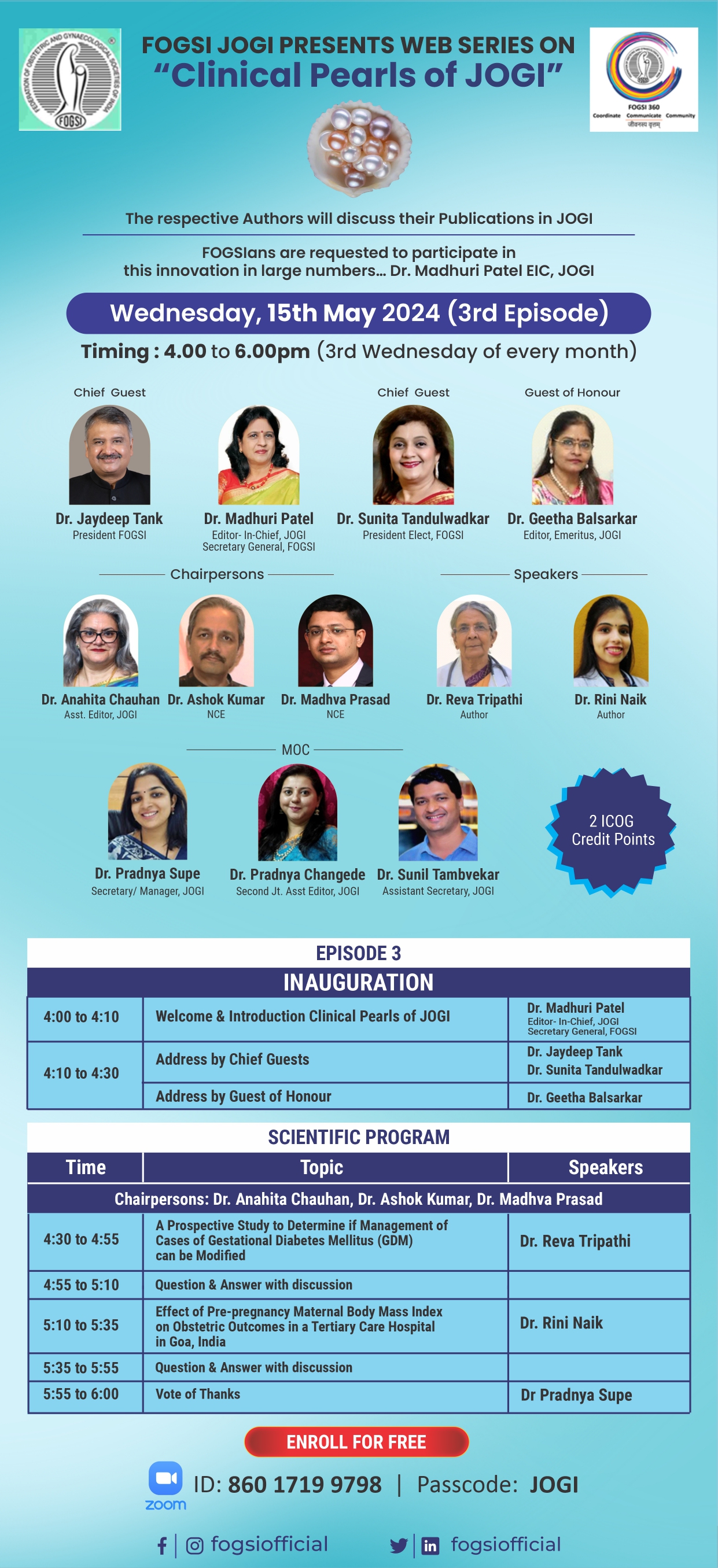
Background India plays an important role in global research on gestational diabetes mellitus (GDM), but a bibliometric assessment of this research is lacking.
Objective To provide a comprehensive analysis of Indian GDM research during the last 30 years using select bibliometric indicators.
Methods The Scopus international database was used to retrieve publication data, using a defined search strategy. The analysis focused on research output of Indian authors and organizations and their collaborations. The qualitative performance was assessed in terms of relative citation index and citations per paper (CPP).
Results Overall, 100 countries participated in GDM research producing 13,193 publications during 1990–2019. India ranked ninth in global output (1182 publications, 3.1% share) and CPP of 18.6. Only 21.3% of publications had international collaboration and 9.4% were funded. Of the 235 organizations and 544 authors that participated in India’s research on GDM, the top 50 organizations and authors contributed 53.8 and 36.4% to national publication share, respectively. The leading productive organizations were AIIMS, New Delhi, KEMH, Pune and PGIMER, Chandigarh, whereas the most productive authors were S. Kalra, V. Seshiah and C.S. Yajnik. Indian Journal of Endocrinology and Metabolism, Journal of Clinical and Diagnostic Research, Journal of Obstetrics and Gynecology of India and Diabetes Research and Clinical Practice were the most productive journals.
Conclusions Indian research on GDM is lagging behind other countries which have a similar disease burden. Increasing national and international collaborations, and active support of national and international funding agencies is urgently required to produce quality research on GDM.
Gestational diabetes mellitus · Indian publications · Scientometrics · BibliometricsBackground Previous studies have suggested that chronic periodontal infection may be associate with preterm births and low birth weight. The present study was conducted to evaluate the levels of interleukin-17 (IL-17) in saliva samples of pregnant females as a possible marker in determining whether or not an association exists between chronic periodontitis and preterm labor.
Aim The aim of the study is to assess the relation between the periodontal health status and preterm low birth weight of the new born on the basis of salivary IL-17 levels.
Materials and Methods This case–control study included a random sample of 40 female patients, aged 18 to 35 years, who were in their second trimester, assigned to two groups, Group 1 consisted of 20 pregnant females without periodontitis, Group 2 included 20 pregnant females with periodontitis. Saliva samples were obtained in the second trimester and postpartum. Saliva samples were measured by using ELISA for IL-17 levels.
Results IL-17 levels in saliva were significantly higher in Group 2 than that of Group 1(p < 0.001). There was no significant difference found between the preterm and low birth weight cases and periodontitis.
Conclusion This study did not find any association between the periodontitis and preterm deliveries and low birth weight cases on the basis of IL-17 levels in saliva.
Background/Purpose of the Study Foetal urinary tract dilation (UTD) abnormalities affect 1–5% of all pregnancies. However, exact incidence is difficult to estimate because of different terminologies used to define the condition and different grading systems to define its severity antenatally as well as postnatally worldwide. In order to overcome this problem, the new UTD classification system has been introduced in the year 2014 so as to have universal approach for diagnosis and management of UTD globally. Indian data about clinical utility of the UTD classification system and its role in prenatal prediction of severity of renal disease are lacking. The present study aims to investigate clinical utility of new UTD classification system in foetal UTD abnormalities and to evaluate the role of UTD classification system in antenatal prediction/prognostication of severity of UTD abnormalities.
Methods We conducted a single-centre retrospective study between April 2014 and January 2017, which included 70 infants with antenatally diagnosed UTD delivered in our hospital and managed in our paediatric unit postnatally. Pre- and postnatal ultrasound findings were noted, and UTD-A and UTD-P classification were applied retrospectively in all cases as per criteria defined in the new UTD classification. Postnatal outcome in all cases was evaluated in terms of need for immediate postnatal urosurgical intervention, presence of persistent UTD pathology and severity of renal impairment in relation to their pre- and postnatal UTD A and P risk categories.
Results None from UTD A1 risk group in the last prenatal scan showed significant postnatal UTD abnormality. In contrast to this, UTD A2–3 risk group in the last prenatal scan had persistent postnatal UTD pathology in 70% cases. All infants with abnormal postnatal UTD diagnosis were identified prenatally as UTD A2–3 (high risk). Nine infants (12.8%, n = 70) who needed urosurgical intervention postnatally were categorised as UTD A2–3 prenatally and UTD P3 postnatally.
Conclusion We found increased frequency of complications and urosurgical interventions in all infants with antenatal UTD A2–3 grades in the last prenatal scan in comparison with those with UTD A1 grades who showed complete resolution (100%) postnatally. Antenatal UTD classification may be useful in antenatal prediction and prognostication of postnatal severity, especially in high-risk cases (i.e. UTD A2–3).
Urinary tract dilation · Antenatal hydronephrosis · Foetal pelvicalyceal dilation · Foetal hydroureteronephrosis · Oligohydramnios · Congenital abnormalities of the kidneys and urinary tract · UTD classificationBackground In Low- and Middle-Income Countries like India, where the services and surgical care for Congenital Heart Disease (CHD) are available only in selected centres with geographical variations, it is important to detect Heart defects early and give the parents an opportunity to plan ahead for seeking appropriate care at the earliest. Several developments in recent years such as improvement of quality of ultrasound machines, sonographer’s experience, skills and better description of cardiac views have contributed to improve detection rate.
Methods A retrospective study was done between March 2016 and December 2019, and showed ultrasound evidence of CHD was included.
Results The total number of morphology scans done during study period was 50,435. The number of congenital anomalies detected was 1482, out of which CHD was detected in 334 (22.5%). Outcome of 50 pregnancies were not available while the rest (284) were available for follow up in post-natal period. There were 51 cases of CHD, missed on routine antenatal morphological screening, which were diagnosed in the post-natal period. There were 18 cases of over-diagnosed CHD on antenatal scan, but were found to have normal echo findings after birth.
Conclusion A systematic approach is crucial for practitioner to determine the patterns of associated defects. Use of step wise strategy helps in determining the correct diagnosis of isolated cardiac defect, associated with other system or a part of syndrome. Systematic audit of morphological scans could play an important role in improving the diagnostic accuracy, which in turn will lead to early detection.
Cardiac defects · Morphology scan · Missed diagnosis · Perinatal outcomeBackground Stress urinary incontinence (SUI) is involuntary leakage of urine on raised intra- abdominal pressure which adversely affects quality of life usually requiring surgical treatment.
Methods This is a prospective study of efficacy, cure rates and complications of tension free transobturator tape (TOT) surgery on 85 women with SUI. Pre-operatively and 6 months post-operatively International consultation on Incontinence Questionnaire – Short Form (ICIQ-SF) scores were calculated for all patients to know the severity of incontinence and efficacy of tape.
Results Mean age, parity, body mass index and mean duration of symptoms were 45.78 years, 2.68, 26.38 kg/m2 and 3.85 years, respectively. SUI was demonstrated in all cases on cough stress test and Bonney’s test. Mean operative time, blood loss, post-operative analgesic injections, post- operative stay and post- operative catheterisation were 23.28 min, 45.50 ml, 1.2 injections, 1.2 days and 1.2 days. Various complications noted were excessive bleeding (3.52%), urinary retention (7.05%), urinary urgency (8.23%), urinary tract infection (2.35%), surgical site infection (1.17%), groin pain (28.23%) and mesh exposure (3.52%). At 6 months follow-up, the complete cure rate was 83.52% , partial cure rate was 11.76% and failure rate was found to be 4.70% whereas it was 79.16%, 12.0% and 8.33% respectively at 3 years follow up. 2 patients (2.35%) required burch colposuspension and 12 patients (14.11%) required pelvic floor exercises and duloxetine therapy for their symptoms. Mean pre- operative ICIQ-SF score reduced post- operatively (17.8 ± 4.67 to 2.71 ± 1.42) (p value = 0.001).
Conclusion Study demonstrates short and long-term efficacy and safety of TOT for surgical management of SUI.
Stress urinary incontinence (SUI) · Tension free transobturator tape (TOT) · International consultation on incontinence questionnaire – short form (ICIQ-SF score) · Cure ratePurpose of Study To study the role of uterine artery Doppler pulsatility index (UtA-PI), serum pregnancy-associated plasma protein-A (PAPP-A) and free beta human chorionic gonadotropin (fβ-hCG) levels, individually and in combination with each other, at 11–14 weeks of gestation for prediction of preeclampsia (PE).
Methods In a prospective observational study, a total of 100 low-risk gravid females were recruited at 11–14-weeks of gestation. UtA-PI, PAPP-A and fβ-hCG levels were estimated. These women were followed up until delivery for the development of PE and gestational hypertension (GH).
Results The best individual marker for screening PE and GH was UtA-PI with ROC AUC (± standard error) = 0.934 ± 0.028, p < 0.0001. UtA-PI at a cutoff value of ≥ 2.8 (95th percentile) had 77.8% sensitivity, 98.9% specificity, 97.8% NPV and 87.5% PPV in detecting PE. PAPP-A (MoM) at a cutoff value of ≤ 0.27 (5th percentile) demonstrated 44.4% sensitivity, 95.6% specificity, 94.5% NPV and 50% PPV. fβ-hCG (MoM) at a cutoff value of ≤ 0.5 (5th percentile) had a specificity of 94.5%. Among the combined markers, UtA-PI along with PAPP-A estimation served best with a sensitivity and specificity of 44% and 100%, respectively. Addition of fβ-hCG to either UtA-PI or PAPP-A levels was not found sensitive for detecting PE but yielded 100% specificity and 96% NPV.
Conclusion UtA-PI as a stand-alone test was found most useful for the prediction of PE. Addition of either or both of PAPP-A and fβ-hCG to UtA-PI did not improve the sensitivity of combined test with only a slight improvement in specificity and NPV. Their routine addition to UtA-PI studies is not recommended for prediction of PE at 11–14 weeks of gestation in low- and lower-middle-income countries (LMIC).
Uterine artery pulsatility index · Serum PAPP-A · β-hCG · PreeclampsiaBackground This study is to estimate the prevalence and to determine the risk factors for neonatal Covid-19 infection
Methods Retrospective analysis of all deliveries in Covid-19-infected mothers in a tertiary care centre in North Kerala from 15 April 2020 to 15 October 2020
Results Of the 350 Covid-19-positive pregnancies 223 delivered, two were intrauterine foetal demises. In total, 32 out of 221 newborns were Covid-19-positive (14.47%). The risk was more in vaginal delivery group (17.39%) compared to caesarean group (13.16%). The breastfeeding and rooming-in group (18.79%) had more infection than those babies who were not breastfed and separated from mother (1.78%).14 out of 86 (16.28%) babies delivered within 7 days of mothers turning negative became positive compared to 2 out of 23 (8.7%) babies delivered between 7 and 14 days of negative result (Odds ratio of 2.04). None of the babies delivered 14 days after negative result has become positive.
Conclusions The present study shows that neonatal Covid-19 infection is not rare. The risk is greater in vaginal delivery group and those babies who are breastfed and allowed to stay with mothers. Delaying delivery more than 7 days after mother becoming negative protects the newborn from getting infection
Introduction Fetal hydrops is a serious condition which has high morbidity and mortality. Incidences of immune hydrops have decreased by manifold after introduction of anti-D immunoglobulin. Intra-uterine fetal blood transfusion revolutionized the treatment of these affected fetuses after diagnosis of immune fetal hydrops. In this study we aim to evaluate the clinical characteristics of immune hydropic fetuses and perinatal outcome after institution of intra-uterine transfusions.
Materials and methods A retrospective study was carried out in pregnant women with immune fetal hydrops from October 2004 to December 2019 in our tertiary care hospital. After diagnosis of fetal hydrops, all the fetuses received intra-uterine transfusions. All the newborns were followed up till 3 months postdelivery. All the fetuses were divided in two groups: hydrops diagnosed below 32 weeks (Group A) and in second group hydrops diagnosed after 32 weeks gestation (Group B).
Results Total 63 patients were diagnosed to have hydrops during the study period. Group A had 48 fetuses and Group B had 15 fetuses. Average gestational age of diagnosis of hydrops in group A was 24.2 weeks and in group B it was 32.5 weeks. All the fetuses received intra-vascular intra-uterine transfusion. Pericardial effusion was found to be significantly associated with group A. Successful perinatal outcome was seen in 92% fetuses. 87% fetuses had complete resolution of hydrops before delivery. All the fetuses received phototherapy and intra-venous immunoglobulin after delivery, and 5 fetuses underwent exchange transfusion.
Conclusion Favourable perinatal outcome was achieved in hydropic fetuses with intra-uterine blood transfusions. Complete resolution of hydrops before delivery increases the chances of perinatal survival.
Hydrops · Anti-D · Intra-uterine transfusion · Pericardial effusion · Middle cerebral artery-peak systolic velocity (MCA-PSV) · Intravenous immunoglobulinBackground Customized clinical and administrative interventions in the form of a care pathway tool can improve VBAC outcomes and reduce the alarming rise in caesarean sections globally.
Objective To determine the effect of a locally tailored clinical pathway tool on VBAC outcomes in a private hospital in India.
Methods A pre- and post-implementation study was conducted in a private hospital in India. All women with one previous caesarean section term pregnancy and cephalic presentation were included at baseline from January 2013 to December 2015 (Phase 1) and from January 2016 to December 2018 (Phase 2) after ongoing implementation of a clinical pathway tool by all providers. Background characteristics and clinical outcomes in both phases were reviewed retrospectively from case files.
Results Overall 223 (13.42%) women among 1661 total births and 244 (11.62%) women among 2099 total births were included in Phase 1 and Phase 2, respectively. Total number of women who underwent trial of labour (TOLAC) increased from 36.77% to 64.34% (P < 0.001) and VBAC rate increased from 23.76% to 58.19% (P < 0.001) in Phase 2. There was no significant difference in perinatal morbidity and mortality in the two phases.
Conclusion A locally customized clinical care pathway tool implemented to support both mothers and care givers for TOLAC seemed to improve VBAC outcomes in a private setting in India.
Objective To study the presence of isthmocele in post-cesarean women using USG and MRI and its correlation with risk factors.
Method This was a prospective observational study. A total of 90 patients were enrolled at the time of discharge of cesarean delivery and were advised to come for follow-up at 3–4 months for detection of isthmocele. A total of 82 patients reported for follow-up, and TVS and MRI Pelvis were done for visualization of isthmocele. If isthmocele was diagnosed, its correlation with risk factors was studied.
Results On TVS isthmocele was present in 11 patients and on MRI in 16 patients. Detection rate was 77.07% in comparison with previous studies. Compared to MRI, sensitivity of USG was 68.75%; however, the specificity and positive predictive value for both were 100%. The negative predictive value for USG compared to MRI was 92.96%. Shape of the isthmocele was triangular in most women. Obesity, prior history of cesarean delivery, elective cesarean, gestational diabetes, preeclampsia and prolonged active labor were associated with development of isthmocele.
Conclusion The study concluded that yield of diagnosis of isthmocele by MRI was better than TVS but not statistically significant. Further study with large sample size is needed to identify the best tool for diagnosis of isthmocele. Obesity, gestational diabetes, preeclampsia, prior history of cesarean, elective cesarean and prolonged active labor were associated with development of isthmocele.
Backgrounds To analyse the morbidity, mortality and survival pattern following surgery for borderline ovarian and malignant ovarian tumours.
Methods The medical records of 57 consecutive patients with invasive and borderline epithelial ovarian cancer patients registered and operated in our tertiary centre between 2015 to 2017 were reviewed. Patients were followed up for a minimum of 18 months to maximum of 42 months at an interval of 3 months with CA125 values. Various prognostic factors were analysed. The data descriptive statistics of frequency and percentage analysis were used for categorical variables and mean and standard deviation were used for continuous variables.
Results The most common age group was 51 years and above with the majority (56.2%) of women belonging to postmenopausal age group (32/57). In our study, 30 out of 57 women (52.6%) had stage III disease, 17 women had stage I disease (29.8%) and 7 women had stage 2 disease (12.3%). Majority of the women had serous epithelial ovarian tumour (47 out of 57 patients), which contributed to 82.4%. Grade 1 and 2 morbidity was encountered in 8 patients. Six patients had wound infection (grade 1), and 2 patients required blood transfusions (grade 2). One patient had grade 3 morbidity requiring re-laparotomy. Borderline tumours and early-stage epithelial ovarian tumours had good prognosis, less morbidity and good survival. The overall median survival was 25 months.
Conclusions With meticulous perioperative care, surgery for ovarian cancer in the primary and interval setting can be done with minimal morbidity and no postoperative mortality, especially in patients with co-morbidities. Grade is an important prognostic factor affecting the survival of patients with epithelial ovarian cancers undergoing surgery. Lymph node dissection helps achieve local control but may not improve the survival.
Malignant ovarian tumour · Morbidity · Clavien–Dindo classification · Grade · Cytoreductive surgeryBackground Cervical cancer is an AIDS-defining illness, and HIV-positive women are at high risk. The present study aimed to determine the magnitude of the problem, compare the performance of screening tests and assess factors affecting participation.
Methods HIV-positive women aged 30–59 years attend the anti-retroviral therapy (ART) clinics were screened by conventional Pap, HPV testing (Hybrid Capture 2) and visual inspection with acetic acid (VIA). A cohort of HIV-negative women from the community matched for age and parity were screened similarly. Screen-positive women underwent colposcopy and biopsy. Factors affecting participation were assessed.
Results Pap, VIA and HPV were positive in 48 (23.8%), 65 (32.2%) and 76 (37.6%) subjects, respectively, among HIV-positive women, and in 12 (5.9%), 10 (4.9%) and 12 (5.9%) subjects, respectively, among HIV-negative women. CIN2 + was present in 12 (6.4%) HIV-positive women and in 1(0.5%) HIV-negative woman (p = < 0.004). Sensitivity of HPV, Pap and VIA for detection of CIN2 + lesions was 91.7%, 75.0% and 75.0%, respectively; specificity was 68.4%, 83.9% and 72.5%, respectively. Lack of availability of screening facilities in the ART clinic and long waiting times were a strong deterrent to participation among HIV-positive women.
Conclusions There was higher prevalence of HPV infection and CIN2 + lesions in HIV-positive women. VIA showed equivalent sensitivity to Pap and could be a good substitute in low resource settings. Setting up cervical screening services in ART clinics and sensitising physicians can improve outcomes among these women.
HIV · Pap · CIN · VIA · Colposcopy · Cervical cancer · Barriers · ScreeningBackground/purpose of the study : The obstetric population is believed to be more susceptible to adverse consequences of coronavirus disease COVID-19 as compared to the general populace. Clinical characteristics and outcomes data related to COVID-19 infection in obstetric cases are limited and evolving. Most importantly, studies reporting Indian data are strikingly few and of single centre. The objective of our study was thus to address these lacunae using data registered in the FOGSI’s National registry on COVID-19 infection in pregnancy (FOGSI COVID registry).
Methods : We conducted an observational study using data retrieved from the FOGSI COVID registry. Fifty-three hospital departments participating in the registry populated data related to laboratory confirmed and hospitalized COVID-19 obstetric patients. Data for the period of 28 April 2020 to 28 August 2020 were extracted from the registry. A subset of the data was formatted, curated, standardized and harmonized. Descriptive analysis was carried out, and results reported.
Results : Of the 989 cases analyzed, 956 women were pregnant and 33 women were in the postpartum period. A total of 569 women (61.71%, n=922) were multi-gravida, and 713 women (72.98%, n=977) belonged to the 21–30 years age group. A total of 492 cases (52.73%, n=966) had a gestational age>37 weeks. A total of 754 women (83.41%, n=904) were asymptomatic, and 32 cases (3.54%, n=904) had severe acute respiratory infection (SARI). Fifty-six women (7.19%, n=779) required critical care and ten women (1.01%, n=989) died. A total of 771 pregnant women (97.23%, n=793) gave birth of which 455 cases (59.01%) underwent a lower segment caesarean section (LSCS). There were 749 cases (95.17%, n=771) of live birth that included eight cases of twin deliveries. 195 infants (28.34%, n=688) were admitted to the NICU, and 13 infants (2.99%, n=435) tested COVID-19 positive in the neonatal period. Twelve infants (1.54%, n=779) died.
Conclusion : 83.41% pregnant women were asymptomatic. COVID-19 infection in obstetric cases from India led to 59.01% LSCS procedures which are lower than many other countries. COVID-19 infection led to a higher maternal mortality and IUFD rate as compared to pregnant women that did not have COVID-19 infection in India. Vertical transmission rate is 2.99% and at par with other countries.
COVID-19 , Pregnancy , India , Registry , FOGSIObjective The route of termination of pregnancy in eclampsia is not clearly established. This study aims to compare the fetomaternal outcome between planned vaginal delivery and planned cesarean section in women with eclampsia after 34 weeks of gestation.
Methods This prospective observational study was conducted in the department of Obstetrics and Gynecology, Midnapore Medical College, West Bengal, India. 182 women with eclampsia carrying 34 weeks or more gestation were allocated to either cesarean(CD) or vaginal delivery (VD) group. The primary measure of outcome was severe maternal outcome. Secondary measures of outcome were perinatal mortality and morbidity.
Results Of the 62 women allocated in vaginal delivery (VD) group, 60 women (32.97%) had vaginal delivery and 122 (67.03%) had undergone cesarean delivery (CD). Severe maternal outcome was more common in VD group in comparison with CD group (72.5% vs 27.5%, P < 0.00001 RR 2.64 OR 6.98). Perinatal outcome in relation to Apgar score at 5 min, still birth was better in CD group than VD group. Perinatal death was higher in VD group when compared with CD group (25.8%; vs. 8.33%; P = 0.002, RR 3.1 OR 3.83)
Conclusion There is increasing trend of delivering the eclampsia mother at > 34 weeks of gestation by cesarean section instead of inducing labor and delivering vaginally. Cesarean section when chosen as method of delivery does not increase morbidity or mortality.
Eclampsia , Cesarean delivery , Maternal near miss and severe maternal outcome maternal mortality , Maternal morbidity , Perinatal mortality and perinatal morbidityBackground :Autoimmune hemolytic anaemia is very rare and there is limited data regarding their pregnancy outcomes. Hence we aimed to study the maternal and perinatal outcomes in pregnancies with autoimmune hemolytic anaemias (AIHA).
Methods : A retrospective descriptive study of pregnant women with AIHA, who delivered at SJMCH between January 2011 and January 2016 was carried out. Their antenatal and labour records were reviewed and demographic details noted. The primary outcome measures studied were—the prevalence of AIHA, gestational age at delivery, antepartum, intrapartum and postpartum complications, mode of delivery and requirement of transfusion of blood and blood products. The secondary outcome measures studied included neonatal outcomes such as low birth weight, intrauterine growth restriction and need for intensive care. The data is presented as descriptive statistics, including means and percentage.
Results : The prevalence of AIHA was (18/12,420) 0.14%. The mean gestational age at delivery was 34 weeks; 100%, 77% and 50% had antenatal, intra partum or postpartum complications, respectively. 44% had preeclampsia, 38% intrauterine growth restriction and 16% preterm labour. 83% required additional drugs for treatment of AIHA.72% had vaginal delivery; 28% had caesarean delivery; 33% were transfused antenatally and 22% postnatally; 50% of the babies were preterm and required intensive care, 66% had low birth weight. There was no maternal mortality.
Conclusion : Multidisciplinary approach, early diagnosis and detection of autoimmune hemolytic anaemia and complications, good antenatal care, judicious transfusions and delivery at tertiary care centre are the keys to successful outcomes.
Autoimmune hemolytic anaemia , Evans syndrome , Pregnancy outcomesIntroduction : Domestic Violence [DV] is a global health problem of pandemic proportions. WHO identifies it as psychological, physical or sexual violence or threats of the same, in the premises of one’s home. The perpetrator can be husband, intimate partner, friend or a family member. DV during pregnancy has widespread implications on adverse obstetric maternal and foetal outcomes.
Aim of the Study : To find out the prevalence of domestic violence in antenatal women and observe the association between DV and maternal and perinatal outcome.
Methodology : It is a cohort study carried out at ELMCH, over a period of 10 months. Data were collected from pregnant women reporting to the outpatient department of obstetrics and gynaecology in their third trimester of pregnancy. The pregnancies were followed up till delivery and one week postpartum to study the obstetric and perinatal outcome. Appropriate statistical methods were applied to determine significance of the observations, and odds ratio was calculated for the risk factors.
Results : The prevalence of DV during pregnancy was 22.2%, with psychological violence being the most common form observed. Increased relative risk was found for hypertensive disorders of pregnancy, antepartum haemorrhage, recurrent urinary tract infection and preterm labour. Apgar scores of babies in affected mothers was lower, and there were significantly greater NICU admissions. This was independent of period of gestation at delivery.
Conclusion : DV affects at least 1/4th of antenatal women. Majority of them do not realise the extent and forms of DV and accept the violence as a routine norm of marital life. DV during pregnancy has a significant association with adverse obstetric and perinatal outcomes.
Domestic violence , NICU , Pregnant women , Preterm labourBackground : Labour is a physiological process. Before the seventeenth century, the upright birthing position was common in western countries. The supine position became popular because of the convenience for health professionals rather than the benefits for women.
Aims and Objectives : To compare the outcomes of normal deliveries between squatting and lying down positions and to assess the risks and benefits of squatting position during the second and third stages of labour and its comparison with the lying down position.
Methodology : A hospital-based prospective randomized controlled study was conducted in the Department of Obstetrics and Gynaecology in tertiary care centre carried over a period of 18 months among 212 female patients in labour assigned in Group A squatting position and Group B lying down position.
Results : The mean age of patients in Group A was 23.30 ± 4.30 years and Group B was 23.81 ± 4.13 years. The mean duration of second and third stages of labour in both multigravida and primigravida patients was significantly lower in Group A (p < 0.05). The mean amount of blood loss in Group A was significantly higher compared to Group B (p < 0.05). The mean VAS score assessing severity of pain at second stage and third stage of labour was significantly lower in Group A compared to Group B (p < 0.05).
Conclusion : Squatting position was found much convenient for mothers in terms of less duration of second stage of labour, less number of patients administered oxytocin, lesser extension of episiotomy and greater maternal satisfaction on severity of pain.
Squatting position , Lying down positions , VAS score , Second and third stages of labourIntroduction : Mixed gonadal dysgenesis (MGD) or 45,X/46,XY mosaicism is a sex chromosomal disorder of sexual development. We aim to characterize the clinical and reproductive features of 45X/46 XY attending tertiary care center in Kerala.
Materials and Method : Retrospective review of clinical records which include clinical presentation, hormonal profile, cytogenetics, psychosexual assessment, and histopathology of gonadectomy specimen of ten cases of 45X/46 XY mosaicism who attended Endocrinology/ OBG out patient department from 2008 to 2020.
Results : The mean ages of all the cases were 12 ± 3.79 years (± 2 SD). Short stature was universally seen. Virilisation was the most common manifestation (80%) followed by delayed puberty (20%). Autoimmune thyroid disease was seen in 40% of cases. We noticed a delayed presentation in our clinical study. 45X/46 XY subjects who wished to continue as female underwent gonadectomy and were feminized with hormone replacement therapy. Male 45X/46 XY who retained their undescended testis is planned for periodic surveillance for malignancy.
Conclusion : 45X/46 XY may present like Turner’s syndrome in clinical practice. Early counseling and gender assignment by a panel of specialists are crucial. Delayed presentation is less commonly encountered now a day and may pose a clinical challenge. Management in 45X/46 XY is multi-disciplinary which includes Turner’s like surveillance, proper sex assignment, timely genital reconstruction surgeries, gonadectomy, gonadal monitoring, and hormonal replacement therapy is needed.
Mixed gonadal dysgenesis , Clinical profile , Reproductive characteristicsObjective : One of the main difficulties of vaginoscopy is continuous leakage of distension medium from the introitus hindering proper visualization. This study evaluates the effectiveness and success of performing diagnostic or operative vaginoscopic surgery via a tight self-retaining external vulvar sheet (Darwish sheet) expressed as tight vaginoscopy (TV) compared with conventional vaginoscopy (CV).
Patients and Methods : Females referred for vaginoscopy were initially examined by diagnostic CV followed by TV, and whenever indicated, operative TV via Darwish sheet was performed.
Results : Diagnostic TV was more feasible with excellent visualization if compared with CV. The mean infused distension fluid volume was 325 ml versus 485 ml, and the mean leaked fluid volume was 37 ml versus 94 ml in diagnostic TV versus CV, respectively. Operative TV via Darwish sheet was done in 21 cases (56.7%) that required surgery with 100% success rate without any reported complications.
Conclusions : Accomplishing vulvar tightness using a cheap self-retaining external vulvar sheet (Darwish sheet) during vaginoscopy (TV) is associated with a clearer visualization of vagina or cervix, a lesser amount of irrigating fluid and lesser leakage as compared with CV.
Abbreviations
CV Conventional vaginoscopy
FB Foreign body
TV Tight vaginoscopy
Vaginoscopy , Tight , Vaginal lesions , Cervix , Vagina , Darwish sheetBackground : Cervical intraepithelial neoplasia (CIN) is the precursor lesion of cervical cancer. Untreated high-grade CIN significantly increases the risk of developing invasive cancer. Conization is the main treatment. Loop electrosurgical excision procedure (LEEP) is the most common conization method used. The study aims to assess the risk factors associated with positive margin and persistent disease after LEEP for CIN.
Materials and Methods : A total of 156 patients who underwent LEEP during 2011–2018 included in the study. We analyzed the socio-demographic characteristics, colposcopy details, dimensions of LEEP specimen (thickness, length, volume) and histopathology (margin positivity, grade). Persistent disease was histologically confirmed by repeat LEEP and hysterectomy.
Results : Margin positivity was noted in 33.3% (52) patients. Residual disease was noted in 26.2% (41) of the patients who had undergone a repeat LEEP or hysterectomy. There was a significant association between margin positivity and Swede score of 5 or more, a high-grade lesion on IFCPC score, inner margin involvement, LEEP done in a single pass. The cutoff for margin positivity was length of 0.513 cm and thickness of 0.35 cm. A significant association between residual disease and margin positivity, postmenopausal status, Swede score of 5 or more, high-grade lesion on IFCPC score, inner margin involvement was observed. The chance of residual disease was less if the cone specimen had minimum length of 0.775 cm and minimum thickness of 0.65 cm.
Conclusion : When in doubt regarding the margins, it is always better to perform multiple passes for lesions with a high Swede score with an initial smear of HSIL. Postmenopausal women with inner margin positivity have a high chance of residual disease and should be either kept on close follow-up or consider a repeat procedure.